
What is Project Remission?
Project Remission is a call to action targeted at redefining the standard of chronic disease care—from managing disease to achieving remission.
Grounded in scientific evidence and real-world clinical practice, this work educates stakeholders on what is possible when care addresses root causes: health can be restored—not just maintained.

Where it started
Type 2 diabetes provided the first clear evidence.
Clinical remission in type 2 diabetes is now well-defined, measurable, and supported by a growing body of research and implementation across diverse care settings. International consensus defines remission as maintaining an HbA1c below 6.5% for at least three months without glucose-lowering medication. Patients achieving normal glycemic control without ongoing pharmacologic escalation challenged a long-standing assumption: that chronic disease must inevitably progress.

How we define remission.
For type 2 diabetes, remission refers to the accepted clinical definition described above. For hypertension, obesity, and other chronic conditions, we use language to describe meaningful and sustained improvement in disease burden, risk factors, medication dependence, and overall health outcomes. These conditions do not have a universally accepted clinical remission definition, but the underlying principle remains: addressing root causes to restore health and function.
Why it matters
Demonstrating remission changed more than outcomes—it changed expectations.
It redefined what clinicians aim for, what patients believe is possible, and how health systems evaluate success. When remission becomes a credible goal, the entire model of care begins to shift, from slowing decline to restoring function.

Beyond a single condition
Chronic disease does not exist in isolation.
Conditions such as diabetes, hypertension, and obesity share common underlying drivers—metabolic dysfunction, inflammation, lifestyle patterns, and environmental influences. Treating them as separate silos limits impact.
Project Remission reflects this reality by focusing on system-level support of restoration, where improving root causes influences multiple conditions simultaneously.
Clinical research by itself is not enough.
Health systems require practical frameworks, clinical training, and operational models to translate remission from possibility into routine care. Project Remission advances scalable approaches that integrate lifestyle medicine into real-world settings—supporting clinicians and organizations in delivering measurable, sustainable outcomes.
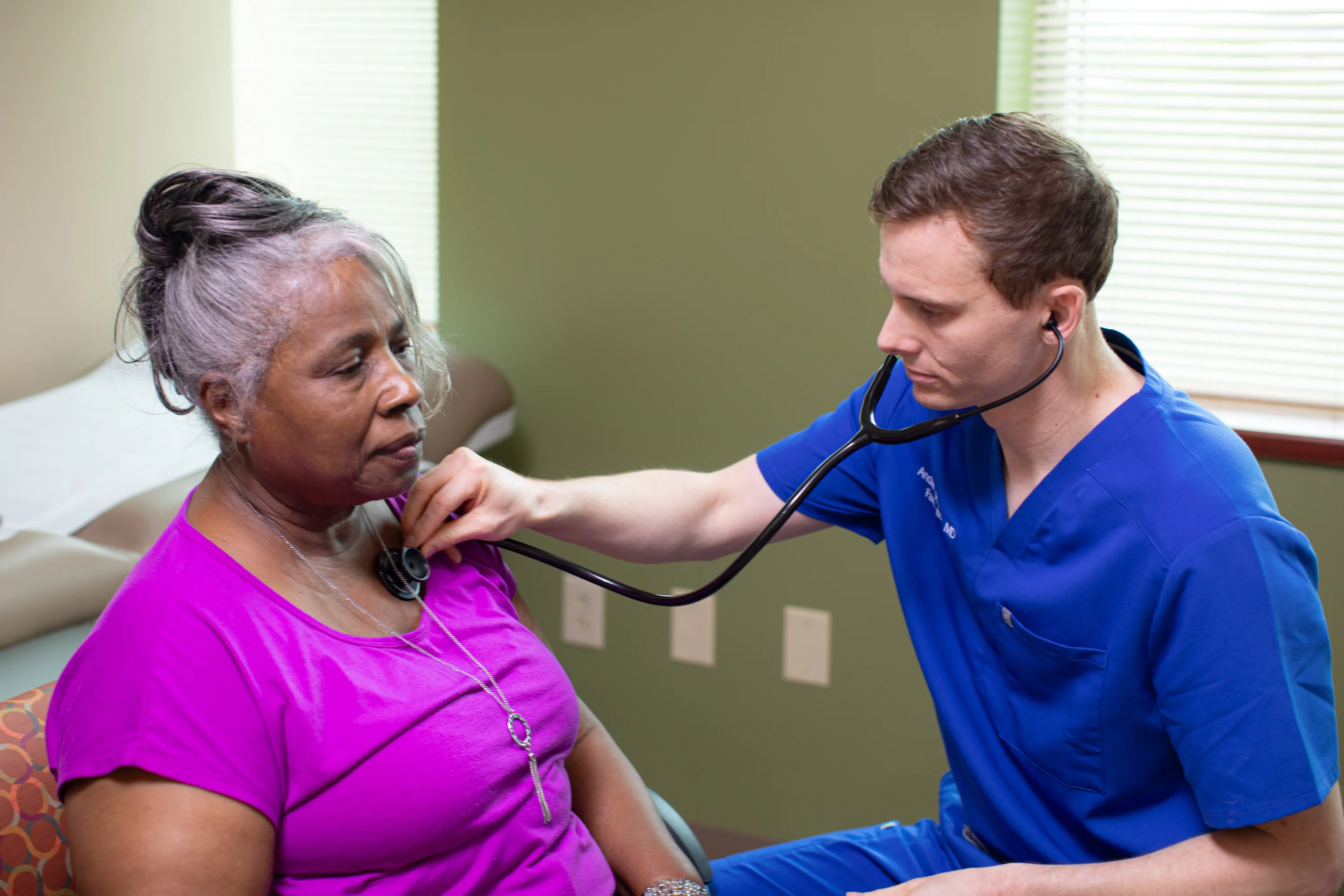



A collective effort to redefine chronic disease care
The American College of Lifestyle Medicine (ACLM) and Content With Purpose (CWP) developed a digital video series that has reached more than 2 million viewers worldwide, exploring how evidence-based lifestyle medicine is transforming the standard of care for type 2 diabetes by shifting the focus from disease management to health restoration. Through short-form films, expert interviews, and real-world case studies featuring clinicians, health systems, educators, and industry leaders, the series highlights how the six pillars of lifestyle medicine can help achieve type 2 diabetes remission, improve clinician well-being, and strengthen healthcare systems while advancing whole-person care.

















Make health your standard of care
Project Remission is powered by a growing network of organizations implementing remission-focused care in clinical and community settings.
These partners are not only demonstrating what is possible—they are building the models, generating the data, and shaping the future of how chronic disease is treated at scale.
Interested in learning more about partnership opportunities? Complete the form below and a member of our team will be in touch.